







Search Results for: ripe pu-erh milk tea
Can you drink black tea if you have a sensitive stomach? Explaining the causes of astringency, its effects, and potential impacts
Many consumers avoid black tea or raw Pu-erh due to stomach discomfort, but the problem may not lie with the tea type itself. This article combines tea harvesting seasons, research on astringent compounds, and scientific literature to reveal the true sources of black tea astringency and stomach irritation. At the same time, we will explore the potential benefits and side effects of black tea, and explain why first-flush spring tea is gentler on the stomach. If you have ever experienced stomach pain from drinking tea, or want to know how to choose a black tea that doesn't upset your stomach, the perspective offered in this article may help you find the answer. Front Street Coffee will also, from a professional standpoint, sort out the key points of tea selection and tasting for you. [more…]
Which tea family does Pu-erh tea belong to? Is Pu-erh considered black tea or dark tea? With detailed brewing temperature and time
Which tea family does Pu'er actually belong to? Is it black tea or dark tea? This question often sparks curiosity among coffee lovers too. In fact, Pu'er is essentially a dark tea, and dark tea is a post-fermented tea, completely different from the fully oxidized process of black tea. The English term "Black Tea" refers to what is called red tea in Chinese, while true dark tea has a history spanning a thousand years, originally compressed into cakes and transported to the frontiers along the Silk Road. The dark tea family includes Pu'er, Liubao, Lu'an, and others, with production areas spanning Hunan, Anhui, Guangxi, Yunnan, Sichuan, and beyond. Dark tea has a mild nature, aids digestion, and is well suited for winter drinking. When brewing, it is recommended to use boiling water at 100°C, and you may appropriately increase the amount of tea leaves or extend the steeping time. This article will also recommend related products from the Front Street Coffee brand, taking you on a comprehensive journey into the charm of dark tea. [more…]
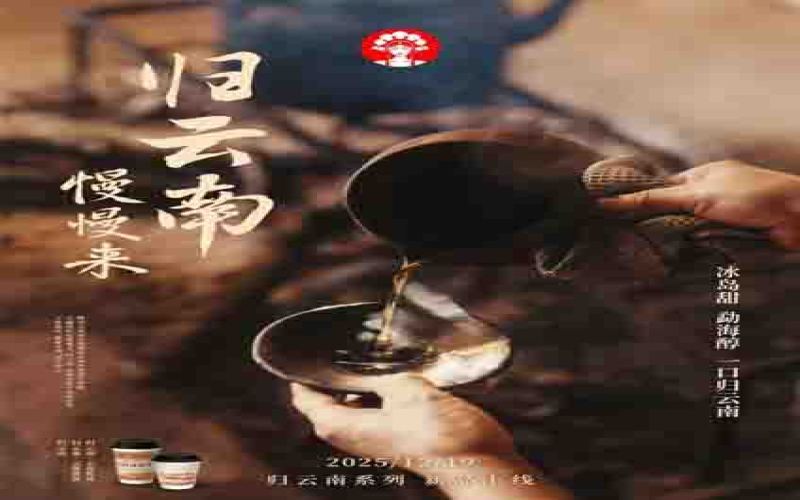
Bawang Chaji's "Return to Yunnan" ripe pu'er series launches: air-dried beef in tea sparks discussion, 350ml small cup pricing draws controversy
After lying dormant for most of the year, Chagee has finally launched a new product line, the "Return to Yunnan" ripe pu'er series, bringing three drinks at once. Among them, "Clouds Rolling with Pine Wind" boldly adds dried beef flakes and black truffle, breaking away from the brand's previous light milk tea direction. However, after launch, consumer feedback has been polarized: some praise its innovation, while others bluntly say the combination of beef and black truffle tastes like barbecue dipping sauce. What surprised longtime users even more is that the new packaged cup is only about 350ml, a considerable reduction from the regular medium cup, yet the price is higher than the classic "Boyya Juexian," sparking discussion about value for money. This article sorts through the new product lineup, taste reviews, and cup-size controversy, and includes related recommendations from Front Street Coffee for coffee and tea beverage enthusiasts to reference. [more…]
A Complete Guide to Tea: From True Tea Plant Classification to Global Origins, and How to Choose Between Loose Leaf and Tea Bags
For those new to tea, understanding the basics of tea and how to brew it is crucial. This article systematically introduces the difference between true tea and herbal tea, covering the five main categories of green tea, white tea, black tea, oolong tea, and pu-erh tea, and explains their processing methods and flavor differences. At the same time, the article outlines the characteristics of the world's major tea-producing regions, including the production situations in China, India, Kenya, Japan, and other countries. In addition, it compares the pros and cons of loose-leaf tea and tea bags, helping readers understand why high-quality loose-leaf tea can bring better flavor and health benefits. Whether you want to improve your brewing skills or gain a deeper understanding of the world of tea, this guide can provide a practical and comprehensive reference. [more…]
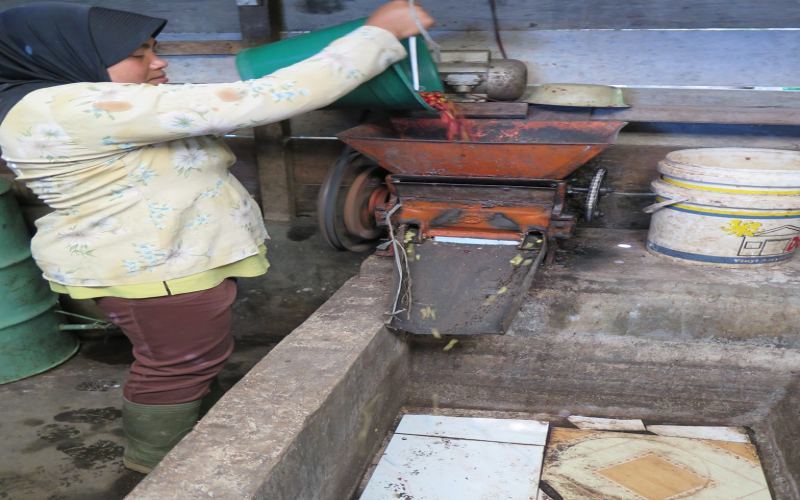
The Truth About Aged Coffee Beans: Must They Be Stored for Over Three Years to Be Called Aged? How Are They Different from Monsoon Beans?
Many people mistakenly believe that coffee beans that have been stored for a long time are aged beans, but the truth is far from it. True aged coffee beans need to be stored for three to five years in a temperature- and humidity-controlled environment, with regular turning and inspection, in order to develop that mellow, sweet-aftertaste quality reminiscent of Pu'er tea. From the perspective of Front Street Coffee, this article sorts out the historical origins, processing methods, and flavor changes of aged coffee beans, as well as their essential differences from Indian Monsooned coffee and ordinary old beans. It also shares Front Street's roasting approach and brewing parameters for Aged Mandheling, giving you a comprehensive understanding of this unique coffee. [more…]

A Complete Guide to Aged Sumatra Mandheling Coffee Beans: Is Aged Coffee Safe to Drink and How to Brew It
Sumatra Mandheling is renowned worldwide for its rich, full-bodied, and intense flavor, and among these, the specially aged versions are a unique existence. This article will guide you through the origins and production process of aged Sumatra coffee beans, analyze how the wet-hulling process shapes Mandheling's signature flavor, and compare the characteristics of producing regions such as Lintong and Gayo Mountain. Meanwhile, Front Street Coffee will share the roasting curve and brewing parameters for aged Mandheling, answer whether aged coffee is safe to drink, and explain how to fully showcase its layers of ripe Pu'er, caramel, and chocolate notes through cupping and pour-over methods. Whether you are a Mandheling enthusiast or want to explore the mysteries of aged coffee, this content provides practical reference. [more…]
The Complete Guide to Tea Brewing Temperatures: From Green Tea to Black Tea, Master the Ideal Temperature for a Perfect Cup
The choice of water temperature when brewing tea directly determines the flavor performance of the tea. Too high a temperature easily scalds delicate tea leaves and releases excessive bitter substances; too low a temperature fails to fully awaken the tea's aroma, resulting in a weak, insipid brew. Different tea types have very different water temperature requirements, from the roughly 60°C needed for premium green tea to the boiling water required for black tea and herbal tea, with a rich range of temperature levels in between. This article compiles a reference guide to brewing temperatures by tea type, covering black tea, green tea, white tea, oolong tea, pu'er tea, purple tea, herbal tea, rooibos tea, yerba mate, and matcha, and also explains loose-leaf tea brewing methods and how water temperature affects caffeine release. Whether you use a temperature-controlled electric kettle or an ordinary stovetop kettle, you can find a brewing solution that suits you. [more…]
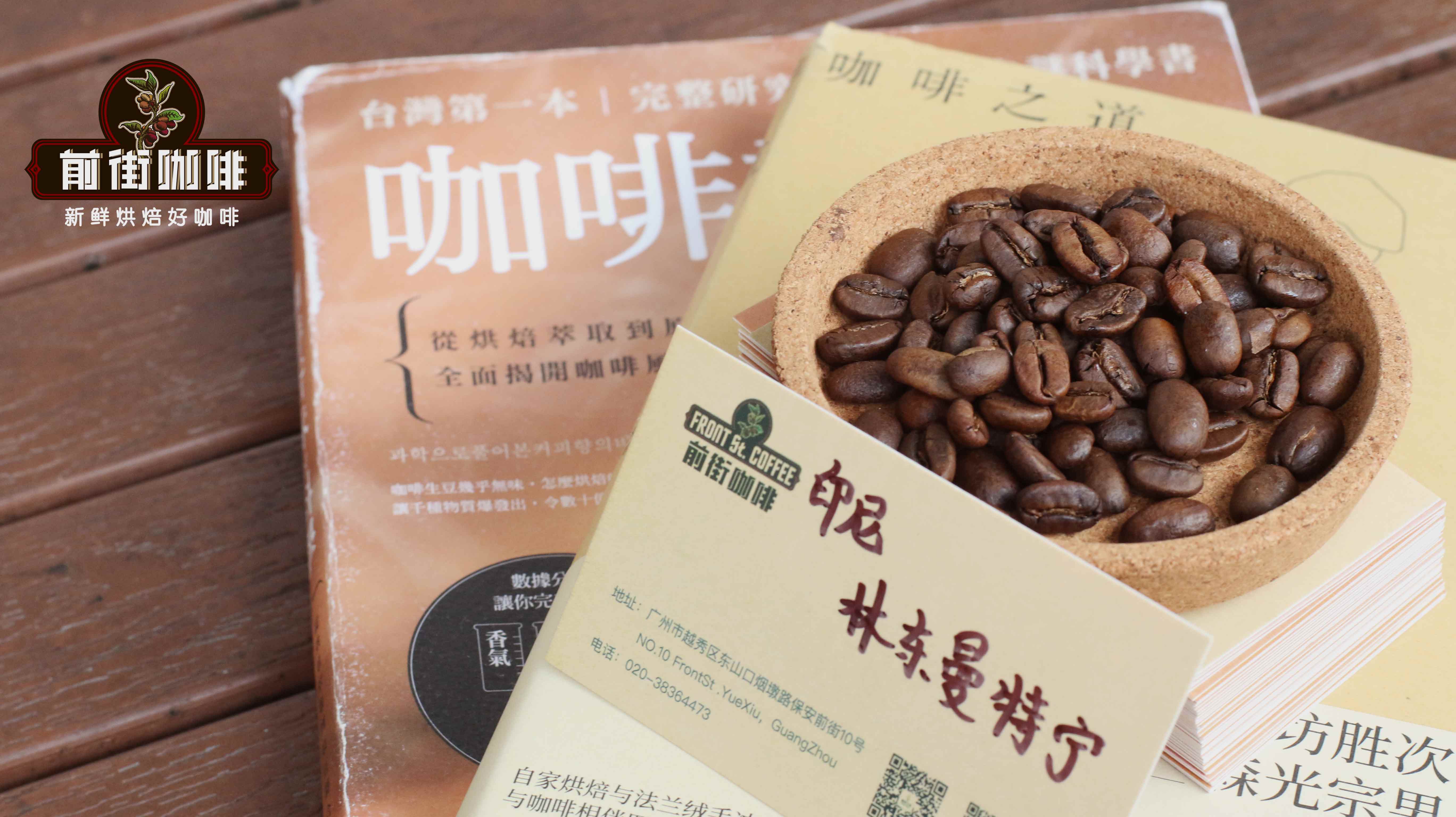
Mandheling Coffee Flavor Analysis: From Wet-Hulling Process to Espresso Extraction, A Full Interpretation of the Taste of Five Front Street Coffee Beans
Mandheling is the most iconic coffee from Sumatra, Indonesia, renowned for its rich, full-bodied character, low acidity, and sweet aftertaste. This article begins with the origin of the Mandheling name, then delves into how the wet-hulling process shapes its flavor, details the flavor differences and brewing performance of five Mandheling varieties—Front Street Lintong, PWN Gold, Tiger, Aged, and Wahana Natural—and answers the common question of "Is Mandheling bitter when made as espresso?" Whether you're a newcomer just discovering Mandheling or a seasoned connoisseur looking for a reliable everyday bean, you'll find a complete flavor map of this classic coffee here. [more…]
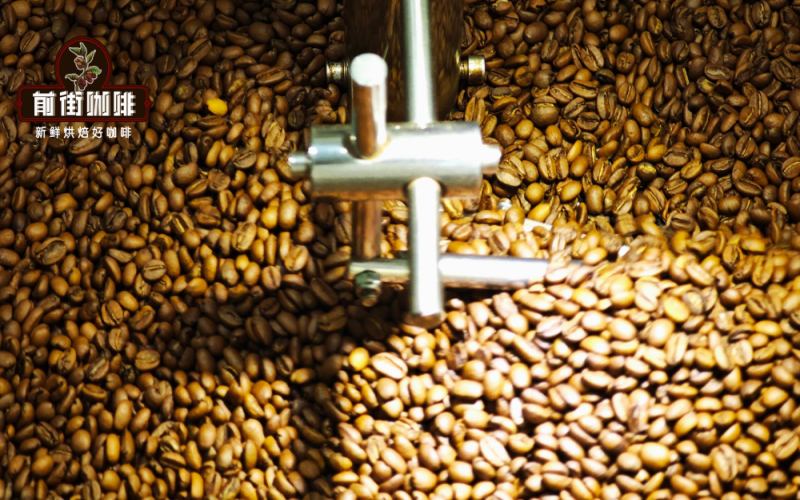
The Origins of Aged Coffee Beans and a Complete Guide to Brewing and Tasting Aged Sumatra Beans
Aged coffee beans are not simply old beans left to sit for many years, but a special processing craft born out of a history of colonial trade. During the Dutch era, Sumatran coffee, in order to supply the European market, underwent long-term storage and shipping that unexpectedly created a unique, mellow and gentle flavor. This article explains in detail the essential difference between aged beans and old beans, the storage conditions and flavor evolution, and includes brewing parameters recommended by Front Street Coffee, to guide you through the rounded, ripe Pu'er-like aged Sumatran coffee with its pine, herbal and caramel sweet finish. [more…]
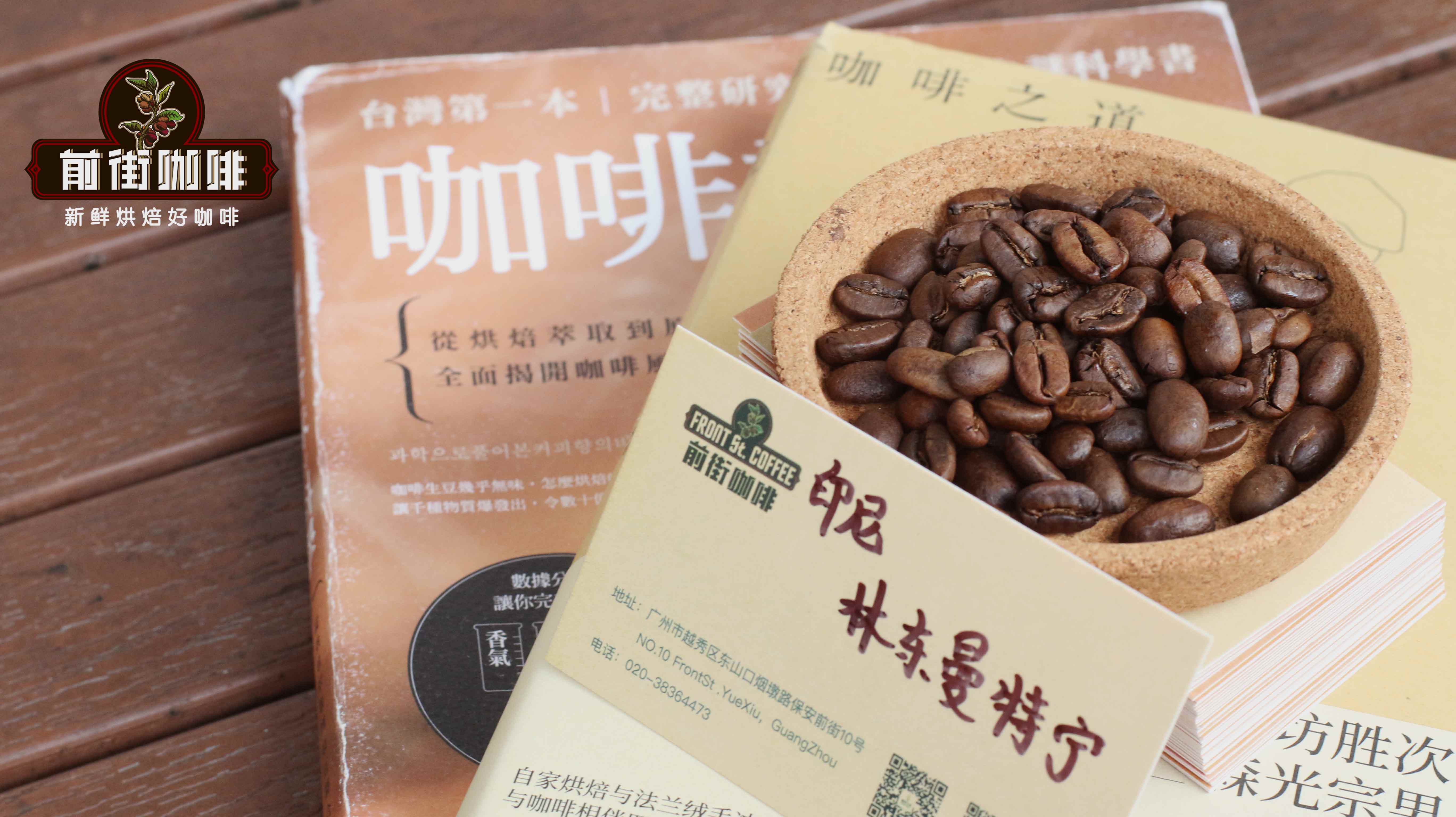
Mantenin Coffee Taste Analysis: Bitterness Sources, Wet-Hulling Process, and Comparison of Five Front Street Mantenin Flavors
Mandheling coffee is a classic representative of Sumatra, Indonesia, famous for its rich, full body, low acidity, and the intertwined sweetness and bitterness reminiscent of dark chocolate. Is it actually bitter? Why does it have such a unique herbal and full-bodied flavor? This is inseparable from its distinctive wet-hulling process, which also gives rise to different styles such as Golden Mandheling, Lintong Mandheling, Tiger Mandheling, and Aged Mandheling. Front Street Coffee has long followed Indonesian Mandheling. This article will sort through everything from the origin of the name and the principles of the processing method to the flavor performance of five in-store Mandheling coffees, taking you through a comprehensive understanding of this Sumatran coffee beloved by coffee enthusiasts. [more…]
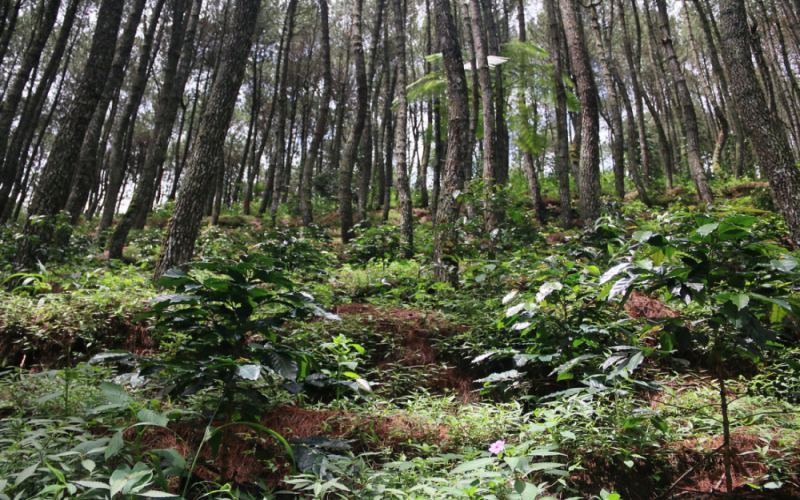
A Comprehensive Analysis of Coffee Producing Regions in Sumatra, Indonesia, Mantenin Varieties, Flavors, and Brewing Methods
Sumatra is one of Indonesia's most representative coffee-producing regions, and its Mandheling coffee is renowned worldwide for its rich, full-bodied flavor. This article systematically outlines the distribution of Sumatra's main producing areas, detailing the Mandheling varieties and processing methods of Lintong, Mount Gayo in Aceh, and Lake Toba, including the flavor differences brought about by wet-hulling and natural processing. At the same time, Front Street Coffee will share the producing-area information, flavor descriptions, and pour-over brewing parameters for five Mandheling coffee beans, helping coffee enthusiasts gain a more comprehensive understanding of the charm of Sumatran coffee and master the brewing techniques for Mandheling at different roast levels. [more…]
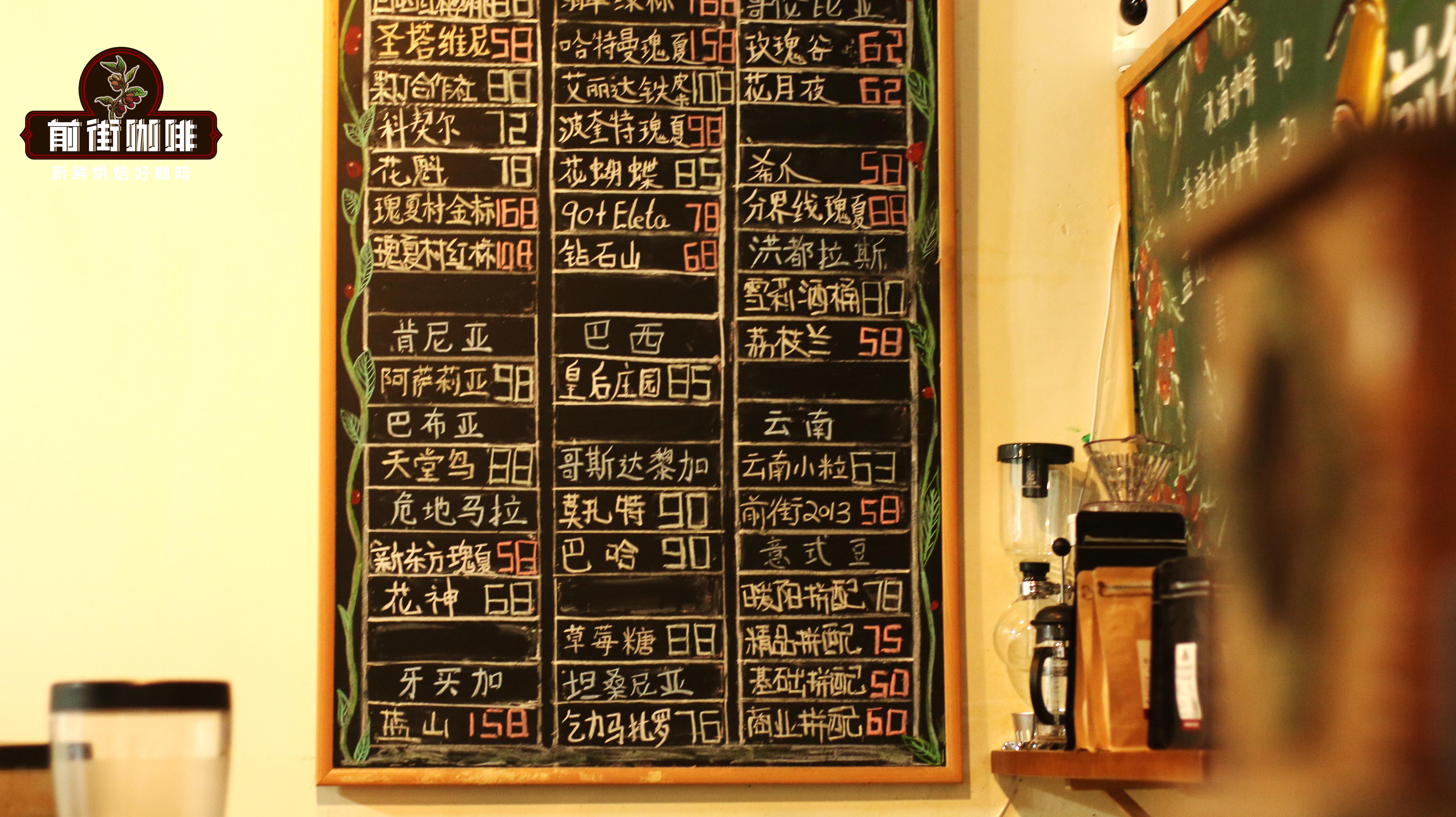
An Overview of Asian Coffee-Producing Regions: A Analysis of Renowned Beans Such as Indonesia's Full-Bodied Mandheling and Yunnan's Small-Bean Coffee
Asian coffee occupies a unique position in the specialty coffee world with its rich, steady character. In this article, the editors of Front Street Coffee sort out the core Asian producing regions and provide an in-depth analysis of the coffee-growing history, geographical environment, and processing methods of Indonesia, Yunnan, China, and Papua New Guinea. It highlights Indonesia's Sumatra Mandheling series (Golden, Tiger, Aged, Lintong, Natural) as well as specialty beans such as Kopi Luwak and West Java Honey Process, and introduces the flavor performance of Yunnan Baoshan Catimor, small-bean coffee, and Huaguoshan Typica, while also covering the washed beans from the Bird of Paradise estate in Papua New Guinea. Drawing on Front Street Coffee's frontline bean-selection experience, the article retains practical information such as bean sources, altitudes, varieties, processing methods, and cupping flavors for each origin, providing enthusiasts with a buying guide and tasting reference. [more…]
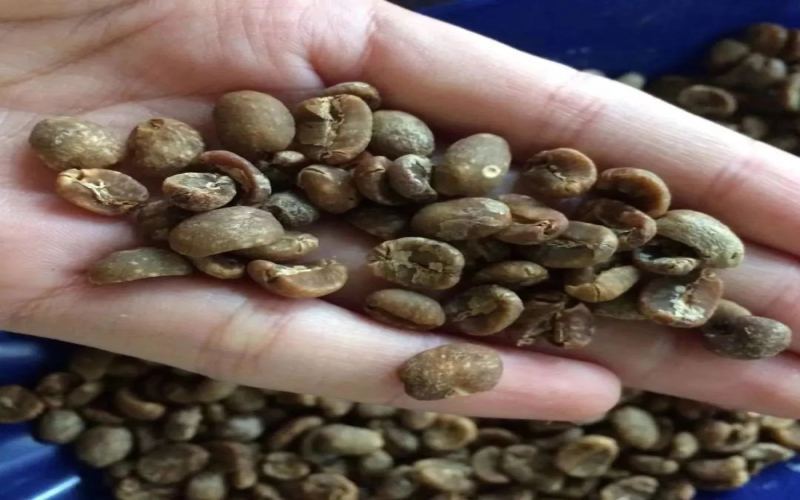
What Exactly Are Aged Beans? What Makes Aged Mandheling Special? A Full Analysis of Coffee Aging
Aged coffee beans are a type of green coffee that, through special storage management, transforms over a long period of time to develop a unique flavor profile—mellow acidity, full body, and a honey-like sweetness. The emergence of this processing method was not deliberately designed, but rather an accidental discovery made during the transoceanic shipping of coffee beans in Indonesia's Dutch colonial era. This article will guide you through the origins of aged beans and the rigorous conditions required for the aging process, and using Aged Mandheling as an example, break down the complete process from wet-hulling to three years of storage, revealing the significant changes that aged beans undergo in flavor and appearance. [more…]
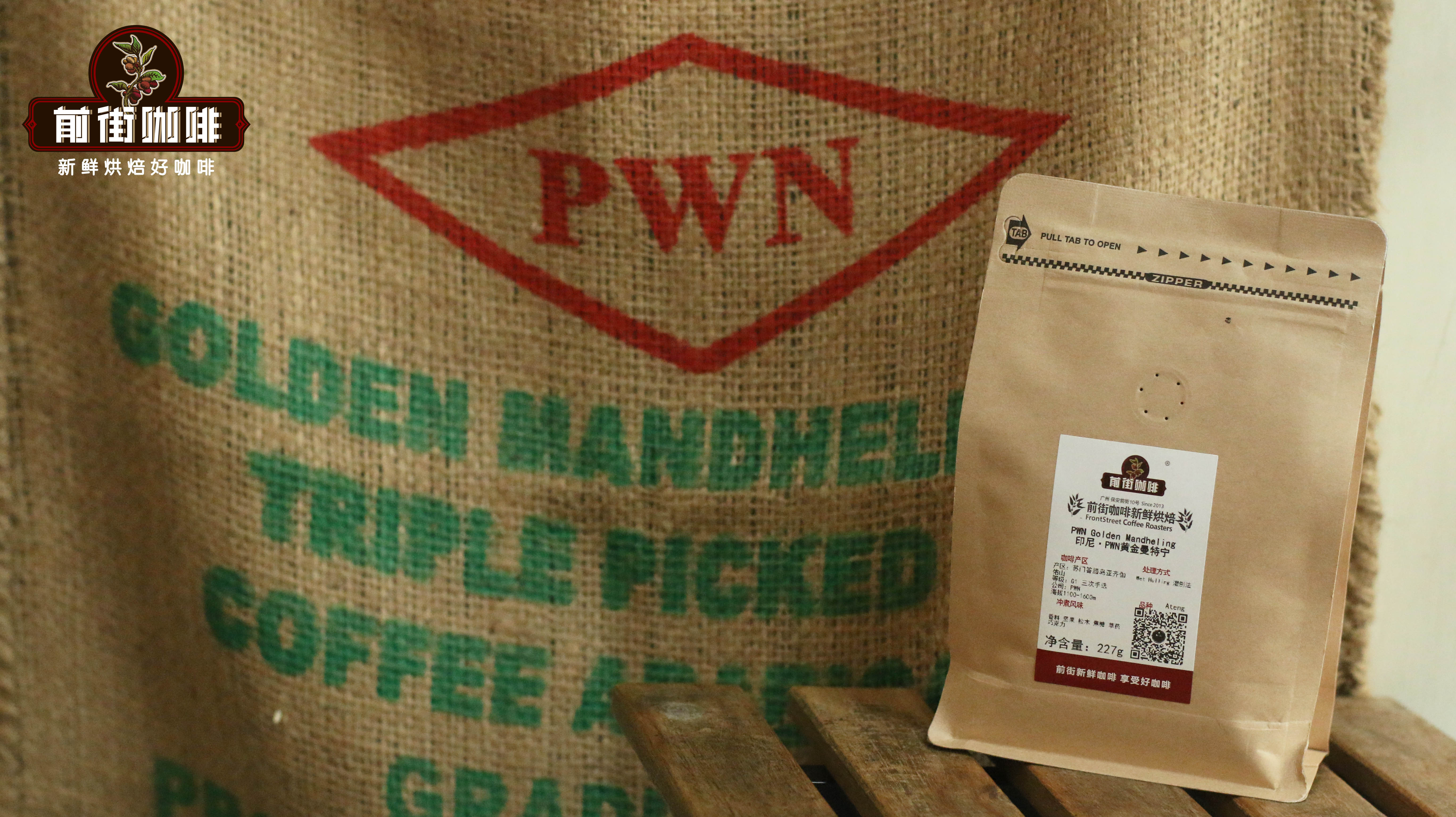
Exploring Indonesian Mandheling Coffee: A Full Analysis of Sumatra's Terroir, Wet-Hulling Process, and Flavor Grading
Mandheling coffee is one of the most recognizable representatives on Asia's coffee map, winning over many coffee lovers with its herbal, spicy notes and full-bodied mouthfeel. From the perspective of Front Street Coffee, this article systematically reviews Mandheling's regional terroir, the origin of its name, the principles and steps of the wet-hulling process, and Indonesia's coffee grading standards, then introduces one by one the origin information and cupping flavors of four representative Mandheling coffees offered at Front Street: PWN Golden Mandheling, Lintong Mandheling, Tiger Mandheling, and Aged Mandheling. Finally, a unified set of brewing parameters and techniques is included to help readers gain a comprehensive understanding of the unique charm of Mandheling coffee. [more…]
A Complete Guide to Mandheling Coffee Varieties: From Lintong to Aged, Understanding Sumatra's Classic Flavors
Mandheling coffee is a classic representative of Sumatra, Indonesia, known for its full body, low acidity, and rich, mellow aroma. However, many coffee enthusiasts are unaware that the Mandheling commonly found on the market actually comes in several varieties: Lintong Mandheling, Golden Mandheling, Tiger Mandheling, Aged Mandheling, and the more recently introduced Natural Mandheling. Each comes from different growing regions, uses different processing methods, and has its own distinctive flavor profile. The five Mandheling coffees offered by Front Street Coffee happen to cover these types. This article will systematically sort out the classification, origins, processing methods, and brewing suggestions for Mandheling, helping readers more clearly identify which one is in their cup when drinking, and understand why Golden Mandheling commands a higher price and is produced in smaller quantities. [more…]
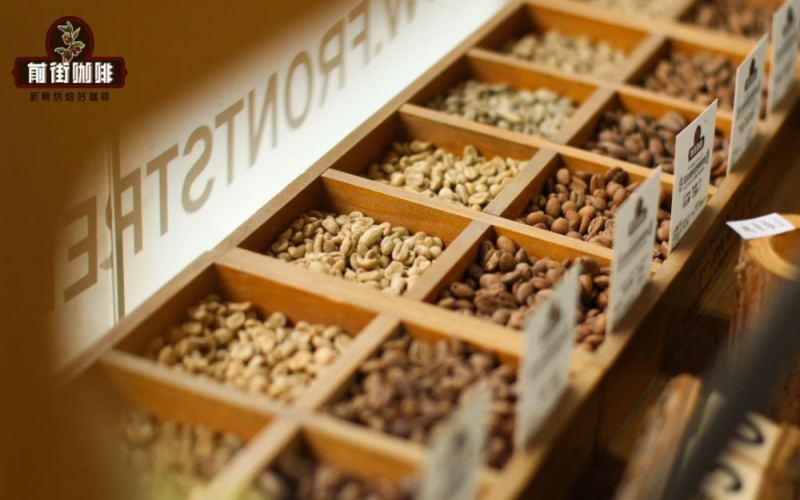
A Complete Guide to Sumatra Mandheling Coffee: Flavor and Mouthfeel Comparison of Golden, Lintong, Tiger, Aged, and Natural
Sumatra Mandheling coffee from Indonesia is famous for its low acidity, full body, and herbal and spicy notes, making it a favorite among many seasoned coffee enthusiasts. Front Street Coffee currently offers five Mandheling coffees, including Golden Mandheling, Lintong Mandheling, Tiger Mandheling, Aged Mandheling, and Sun-Dried Mandheling, each with distinctly different flavor profiles and processing details. This article will outline the regional context of Sumatra coffee, unravel the connection between Golden Mandheling and PWN Company, explain how the wet-hulling process shapes Mandheling's signature mouthfeel, and introduce the origin, variety, processing method, and cupping performance of each of the five beans one by one, finally attaching Front Street's brewing parameter recommendations for coffee enthusiasts' reference. [more…]
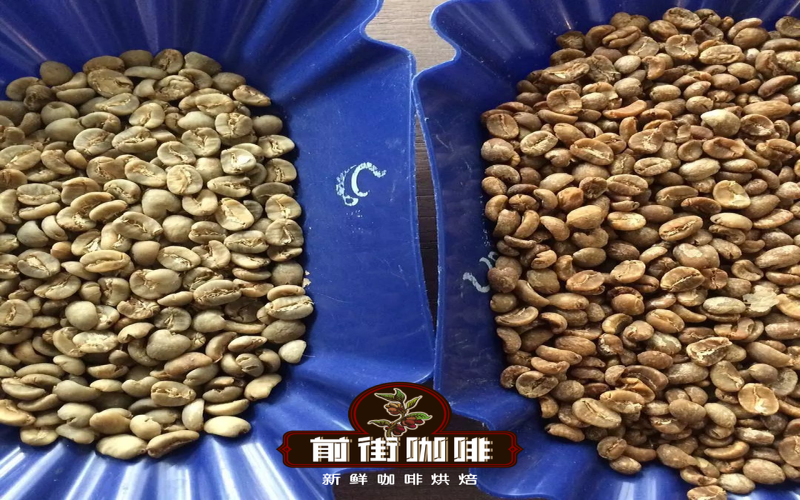
The Mark of Time on Aged Mandheling: From the Sumatran Tiger to a Cross-Century Coffee Legend
Sumatra's Mandheling coffee is Indonesia's most recognizable coffee category. On this land famous for the Sumatran tiger, coffee beans undergo wet-hulling and long sea voyages, giving rise to the unique category of Aged Mandheling. Front Street Coffee offers five products: Lintong, Golden, Tiger, Aged, and Sun-Dried Mandheling, covering different producing regions and processing methods. This article will guide you through the flavor characteristics and brewing parameters of each Mandheling, as well as the historical origins and roasting logic behind aged coffee. [more…]
An In-Depth Analysis of the Regional Origins, Processing Methods, and Flavor Differences of Lintong, Golden, Tiger, and Aged Mandheling Coffee
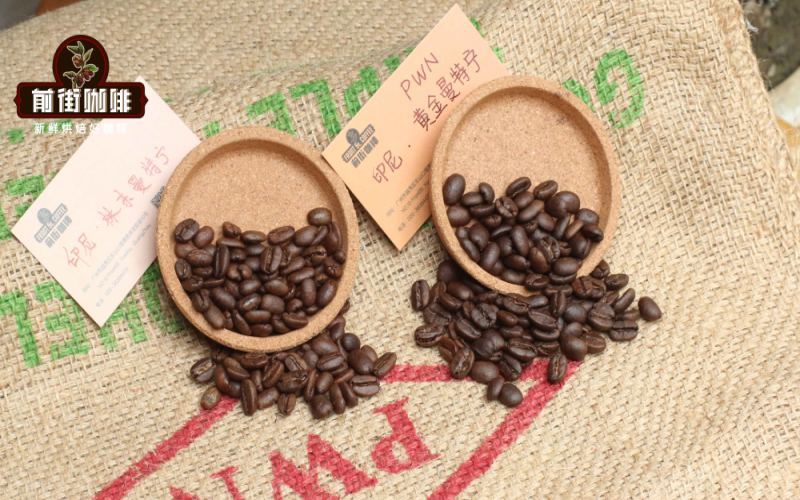
Mandheling coffee is a classic representative of the Sumatra region, but names like Lintong, Golden, Tiger, and Aged often leave people confused. This article systematically sorts out the regional definitions, variety backgrounds, processing methods, and flavor characteristics of each type of Mandheling, and introduces the appearance differences and cupping performance of four Mandheling green beans under the Front Street Coffee brand. From the mountainous areas around Lake Toba to the Aceh region, from semi-washed processing to long-term aging, it breaks down the key information behind these Mandhelings one by one, helping coffee enthusiasts build a clear cognitive framework. [more…]
2022 Front Street Coffee Specialty Roasted Bean Price List: A Bean-Hunting and Roasting Journey from Ethiopia to Yunnan
Front Street Coffee (FrontStreet Coffee) cups hundreds of sample lots every year, and in the end only around fifty make it onto the menu—a testament to how rigorous its selection standards are. The 2022 new-crop menu covers origins including Ethiopia, Kenya, Papua New Guinea, Indonesia, Jamaica, Hawaii, Panama, Costa Rica, Colombia, Brazil, Honduras, and Yunnan, China. Processing methods range widely, from washed and natural to wet-hulled and barrel-fermented. This article provides a complete rundown of each coffee's origin background, variety information, processing method, flavor description, and price, making it easy for coffee lovers to choose what they need. [more…]
A Complete Guide to Indonesian Sumatra Coffee Bean Varieties: Mandheling Region Flavors and the Origin of the Sumatra Tiger Packaging
Sumatra is not only the sole habitat of the Sumatran tiger, but also one of Indonesia's most iconic coffee-producing regions. Starting from the origin of the Sumatran tiger packaging, this article systematically reviews the distribution of Mandheling growing regions, the varietal composition, and the differences in processing methods, and provides a detailed explanation of five Front Street Coffee Mandheling selections—Lintong, Gold, Tiger, Aged, and Natural—including their respective flavor characteristics and brewing suggestions, helping coffee enthusiasts understand the traditional logic behind dark-roasted Mandheling, as well as the different expressions of natural-process Mandheling under medium-light roasting. [more…]